
Textiles and laundry
A garment label does not have to last until the sale — it has to last as long as the garment: it must stay readable after washing, tumble drying, ironing and dry cleaning. That is why the print goes onto textile tape — satin, nylon, taffeta — with a resin ribbon; a paper label and a wax print will not survive the first wash. Textile rental adds another layer: what is tracked there is not garment types but individual pieces, and every single piece has to carry its own identifier through the laundry cycle.
Care and composition labels on textile tape
The size, the fiber composition and the care symbols go onto textile tape — satin, nylon or taffeta — which is then sewn into the garment or attached to it. Textile takes more heat energy than paper, and after printing the ribbon can stick to the material; a pull roller separates the two, otherwise the tape creases. Narrow tape only stays straight if the printer guides the material centered, because even a few millimeters of drift shows on a row of care symbols.
Double-sided labels in a single pass
On hang tags and sewn-in tapes, both sides usually carry data: the brand name and the size on one, the composition and the care symbols on the other, often in several languages. With a single printhead the material has to be threaded through twice, and on the second pass the registration between the two sides can drift. A twin-printhead machine prints both sides of the web at once — on continuous textile tape, card tags and flattened shrink tubing alike.
A unique identifier on every rental garment
Textile services do not track garment types, they track pieces: every coat, every pair of trousers, every jacket gets its own identifier. That is what shows how many wash cycles it has been through, who is holding it now and when it is due to be retired. The label carrying the identifier goes through everything the garment goes through — industrial washing, high temperatures, extraction, dry cleaning — and once the code becomes unreadable, the piece drops out of the records and only manual work puts it back.
An RFID transponder inside the pressure-sensitive label
A barcode has to be found and seen; a UHF RFID label is read through the reader gate without line of sight, in bulk — so the contents of a laundry container can be accounted for all at once. The transponder does not go into the sewn-in textile tape but into the pressure-sensitive label that belongs to the piece or to its packaging. Writing and printing happen in the same pass: the printer writes the identifier into the chip, reads it back, and prints the human-readable data on top. If the chip does not respond or is faulty, the printer marks the label invalid (Void Label), and it never reaches the lot.
Labeling the packed goods before dispatch
The finished, packed lot gets its shipping label just before dispatch: part number, quantity, order reference and barcode. A print & apply unit prints and applies it in one operation on the line, with a roll-on, blow-on or tamp-on applicator, depending on what the surface of the pack is like. Film-wrapped or shrink-wrapped packaging is neither flat nor rigid, so the application has to follow the surface — otherwise the label creases and the barcode is lost.
Applicable regulations
In many cases the content and form of the marking is set by law — worth clarifying at the start of the project.
- Textile Fiber Products Identification Act (16 CFR Part 303)
- FTC rules require most textile products to be labeled with the generic fiber content by percentage, the country of origin and the identity of the manufacturer or dealer — by name or by RN number.
- Care Labeling Rule (16 CFR Part 423)
- Garments must carry permanently attached care instructions that stay legible for the useful life of the product.
Recommended machines
Not a complete list, but what suits the most common tasks in this industry.
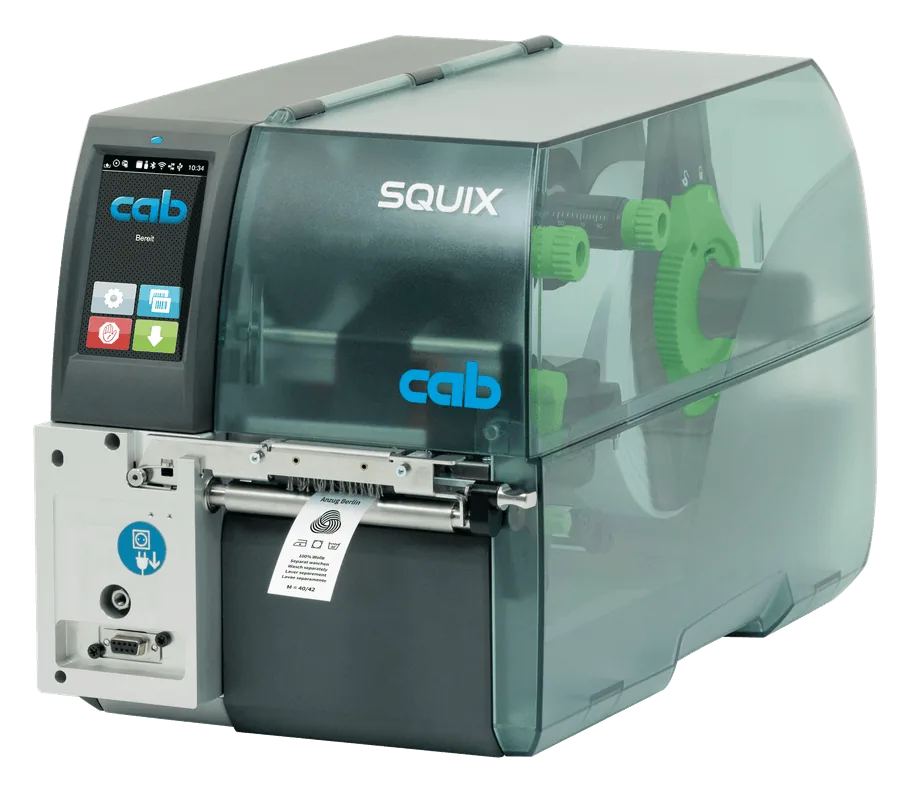
The version built for textile tape: the centered media guide keeps narrow satin tape straight, and the pull roller separates the ribbon from it after printing.
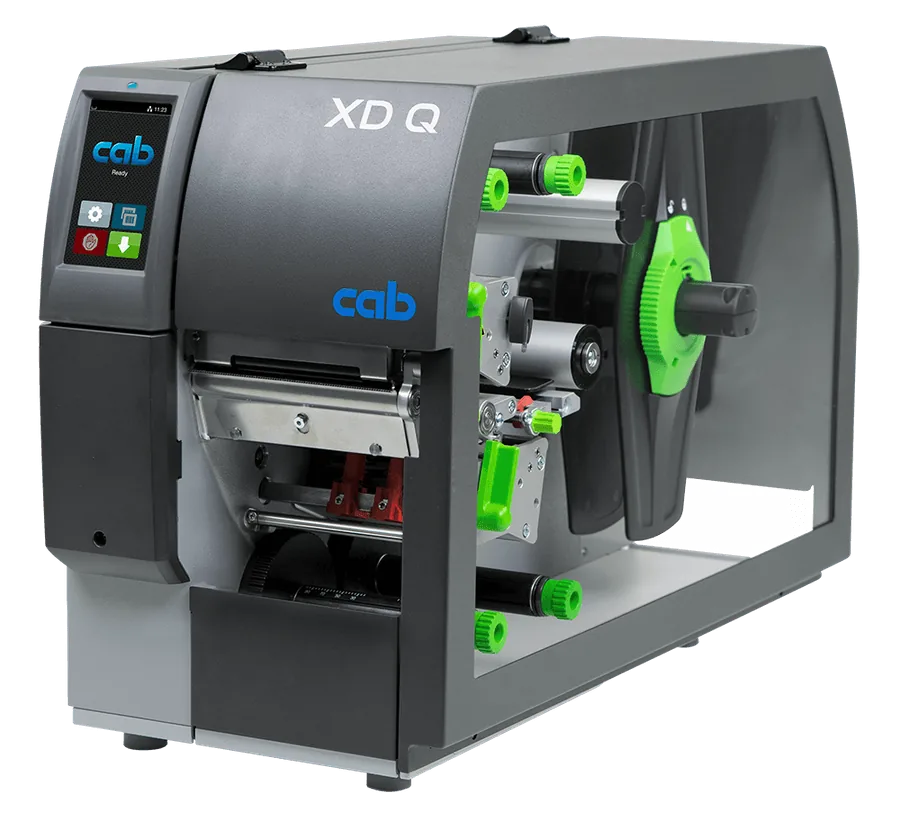
Two printheads print both sides of the textile label at once, so the brand data and the care symbols are done in a single pass.
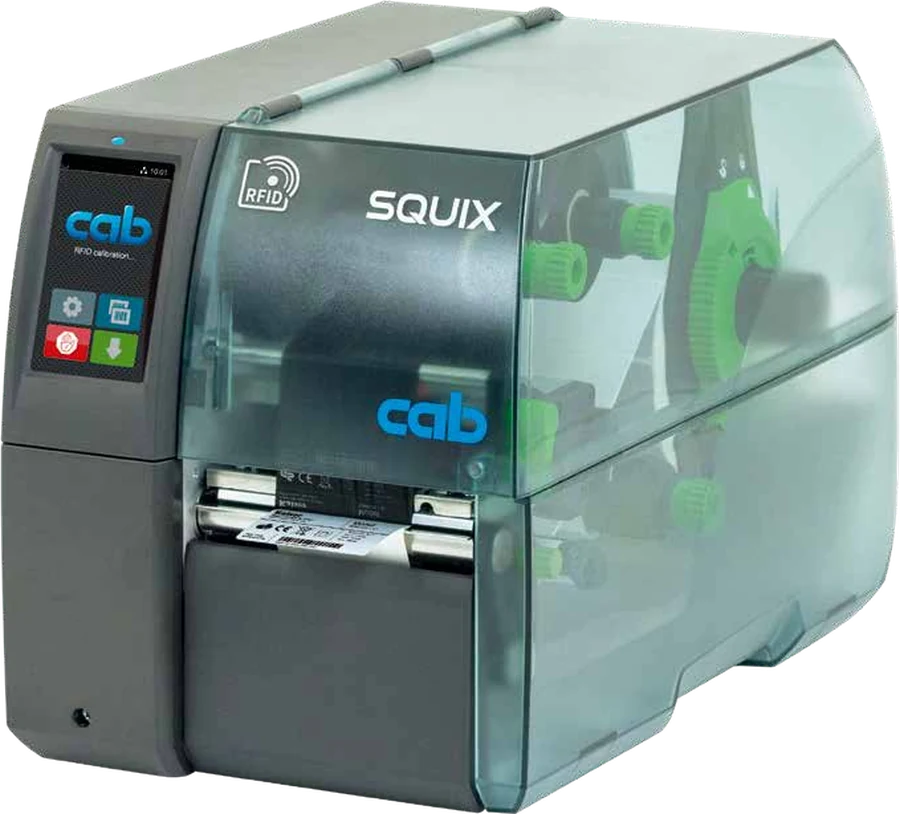
It writes the UHF transponder into the pressure-sensitive label that belongs to the piece or to its packaging, and prints the readable identifier on it in the same pass; a faulty chip is caught before the label reaches the goods.
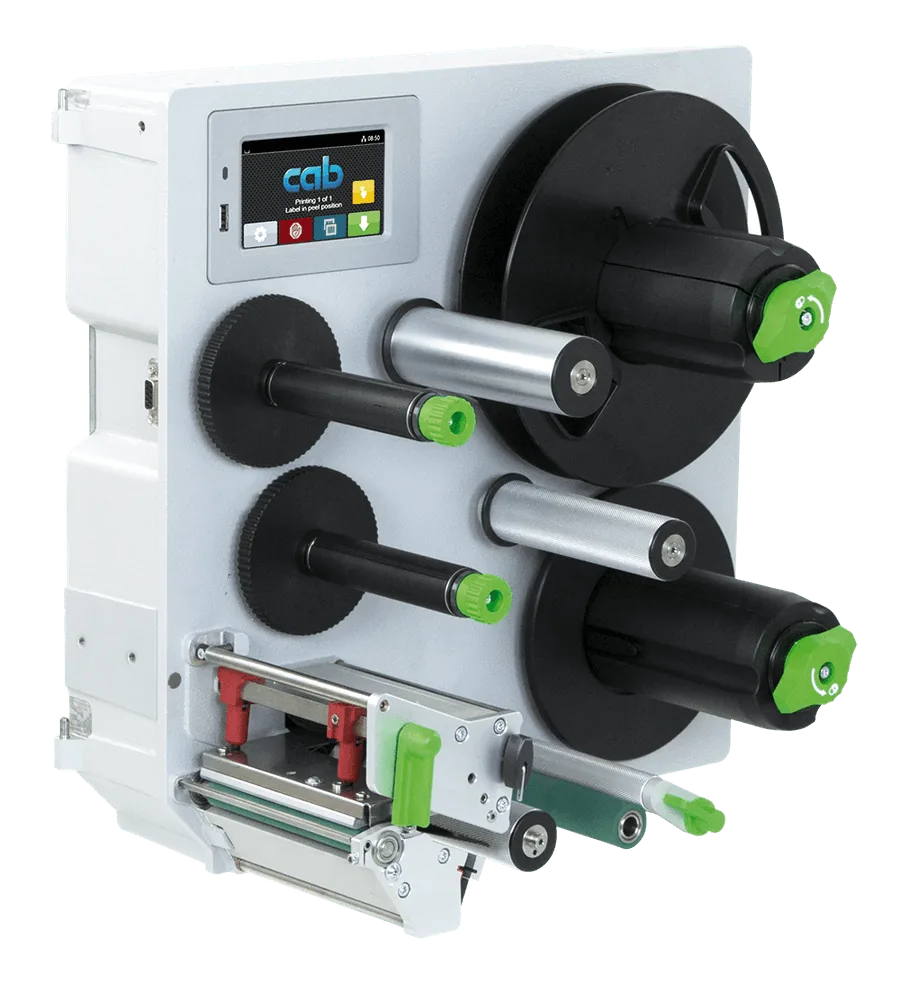
Prints and applies the shipping label on the packed lot right on the line, with an applicator matched to the surface of the pack.
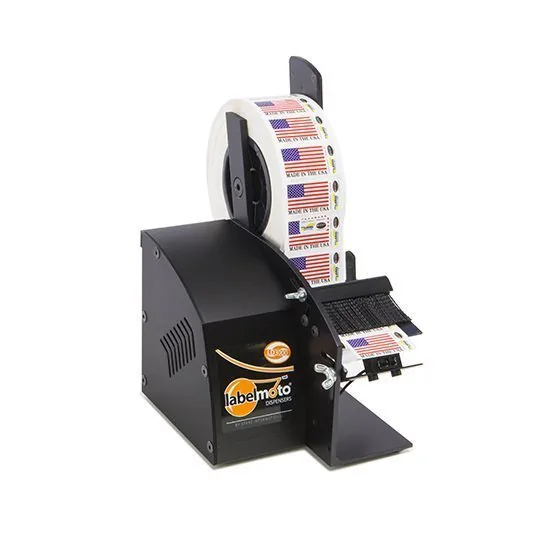
Peels small labels off the liner and presents them at the sewing workstation, so nobody has to pick them off one by one.
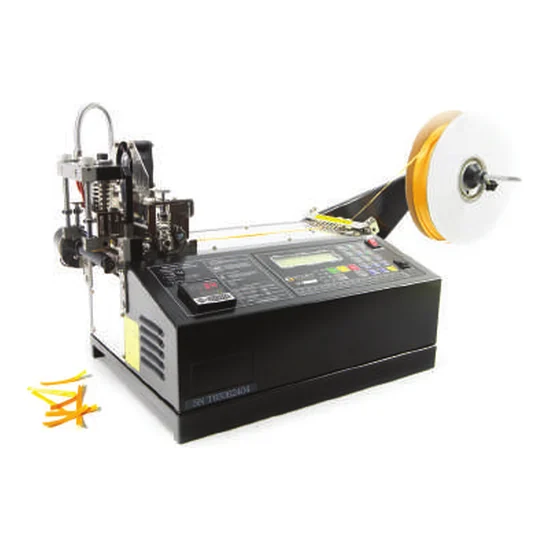
Cuts woven ribbon, webbing and woven labels with a hot knife and heat-seals the cut end at the same time, so it does not fray.

Resin ribbons for care labels, with a print that also survives dry cleaning.
Related guides
Not finding your own task?
Tell us what needs marking, in what volume and under what conditions — and we will suggest a solution.
Contact us