
Food and beverage
On a food package the label carries the date code, the lot code and the ingredient statement with the allergens — data that changes from batch to batch and that traceability and consumer information rest on. The label is printed and applied at the end of the packaging line, in step with the line, without stopping it. The surroundings make that harder: wet, often chilled, so the facestock and the adhesive have to hold on a cold, damp surface.
Labeling at the end of the packaging line
The product label carries the batch number, the use-by date and the barcode, with different data on every run. The same information goes onto the case, so that what ends up on the pallet stays identifiable later. Printing and applying therefore have to happen in one operation at the end of the line: variable data rules out pre-printed labels.
Applying at line speed
A packaging line does not stop for labeling: the applicator has to place the label on the product as it moves past, continuously. Volumes are high and cycle times short, so application accuracy and how fast a roll changes over decide how much output is actually lost. Where there is little room beside the conveyor, the size of the applicator matters too.
Chilled and wet conditions
Packs of chilled products arrive at the labeler cold and damp, often with condensation on the surface. The adhesive has to grab at low temperature, otherwise the corner of the label lifts or peels off somewhere along the cold chain. The print has to take the same treatment: moisture and abrasion must not smear the use-by date or the barcode.
Labeling at manual packing stations
Not every label goes on by machine: at weighing, at repacking and on shorter runs it is applied by hand. There a dispenser peels the label off the liner in advance, so it can be picked up and placed in a single movement. Where food is handled, it also matters that the unit can be cleaned and that its surfaces do not trap soiling.
Managing ingredient and allergen data
Ingredient and allergen lists change with the recipe, and the change has to reach every printer on every site at the same time. If label templates are built locally, machine by machine, two versions end up in circulation sooner or later — and one of them is out of date. A label management system therefore keeps the templates and the data source in one place, and the line prints only approved versions.
Applicable regulations
In many cases the content and form of the marking is set by law — worth clarifying at the start of the project.
- FDA food labeling (21 CFR Part 101)
- Sets what a packaged food label must show — among other things the statement of identity, the net quantity, the ingredient list and the name and place of business of the manufacturer, packer or distributor. Major food allergens must be declared under FALCPA; sesame was added as the ninth in 2023.
- FSMA 204 (Food Traceability Rule)
- For foods on FDA’s Food Traceability List, firms keep traceability records tied to a traceability lot code assigned when the food is created or transformed — which is why the lot code printed on the package has to be right and readable.
Recommended machines
Not a complete list, but what suits the most common tasks in this industry.
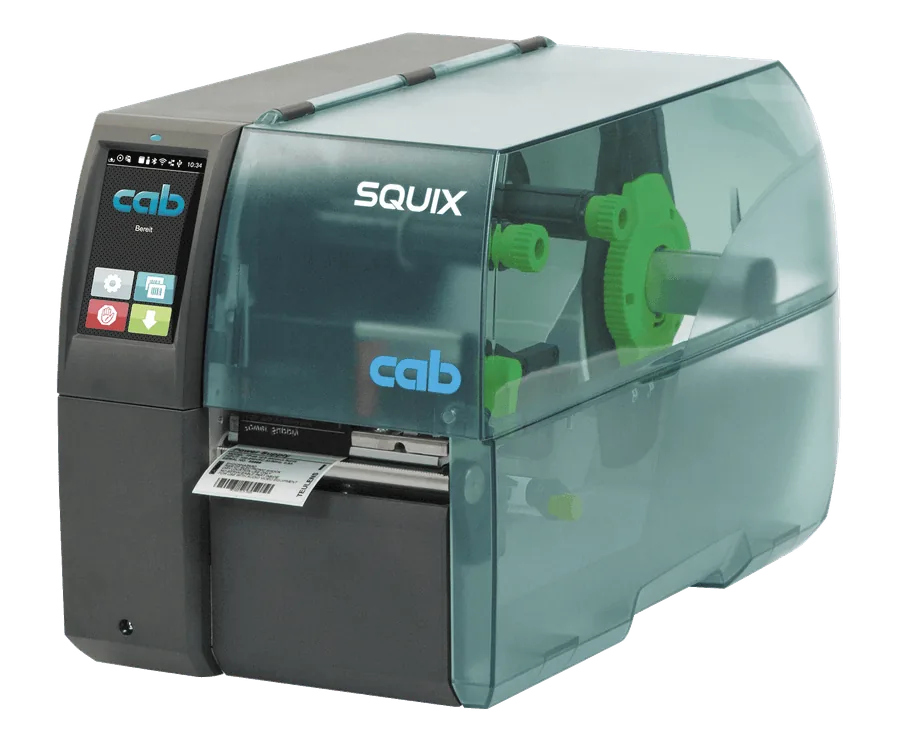
A printer for variable-data product labels: batch number, use-by date, net weight and barcode in one print.
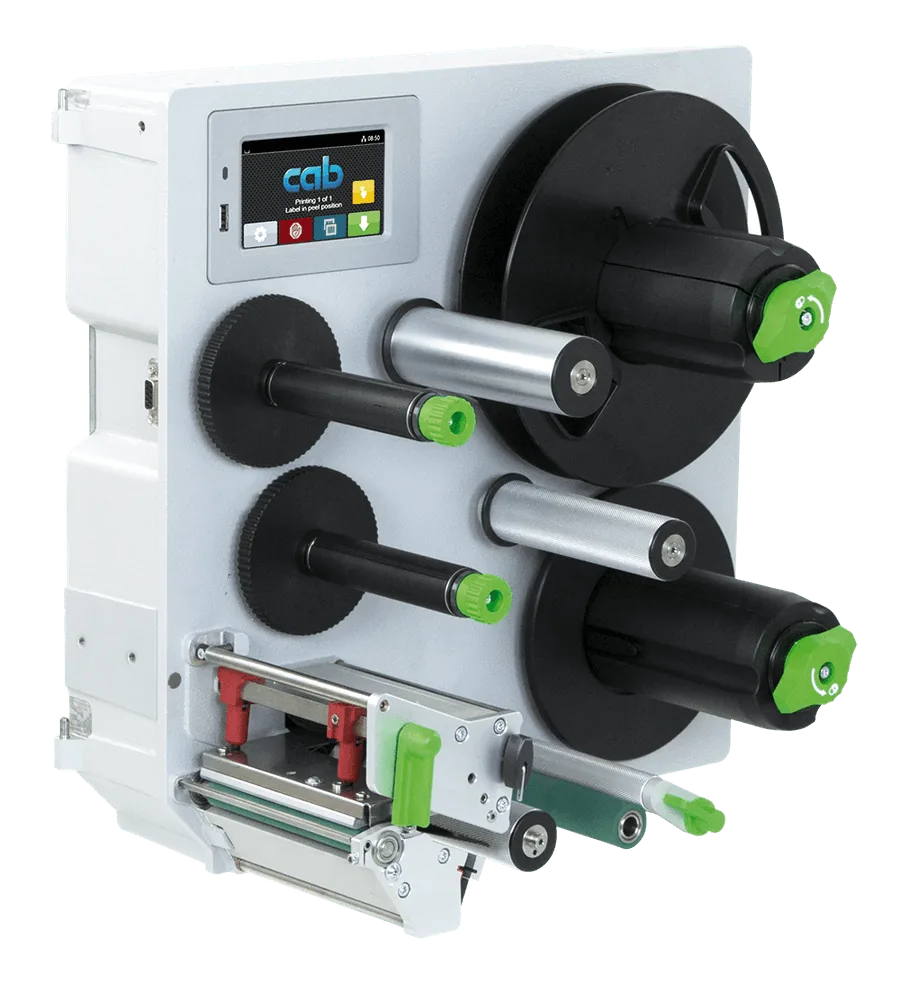
A print & apply system for the end of the line: it prints the variable-data label and applies it where the pack is finished, without stopping the line.
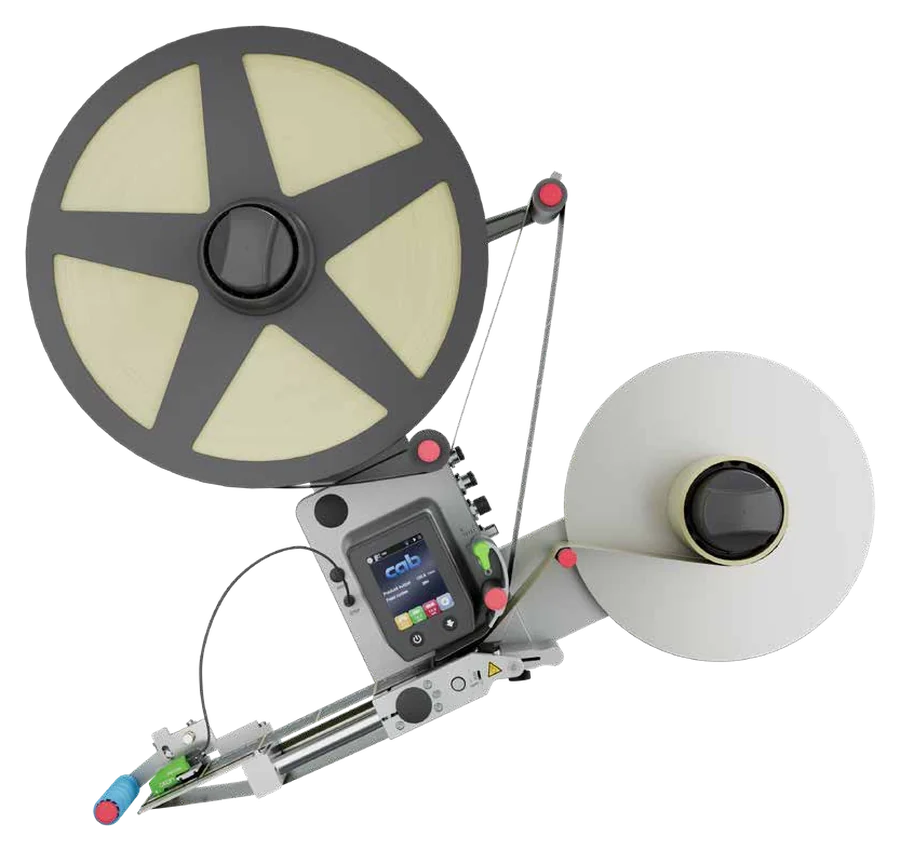
A modular labeling head for high-speed food lines: up to 394 ft/min (120 m/min) web speed with motor-driven winders, and IP66 protection — dust-tight and protected against powerful water jets.
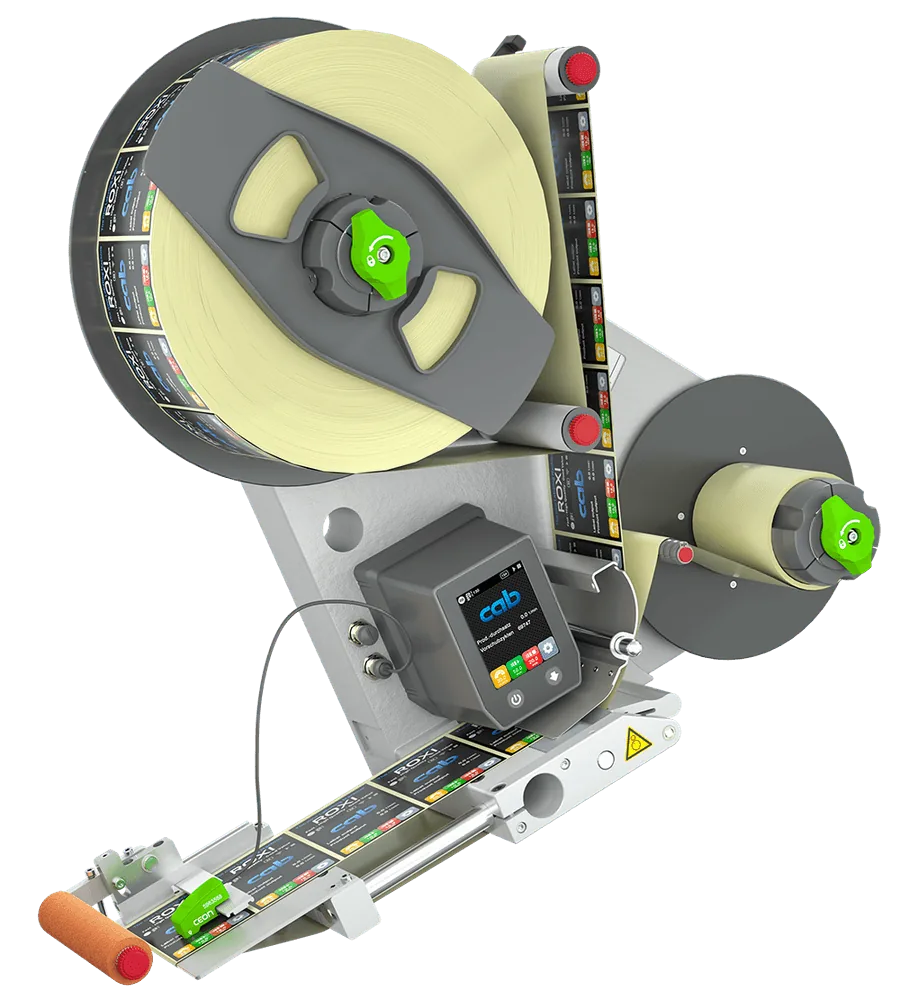
An entry-level labeling head for lower-throughput lines and for precise insert-labeling — web speed up to 98 ft/min (30 m/min), vertical or horizontal installation.
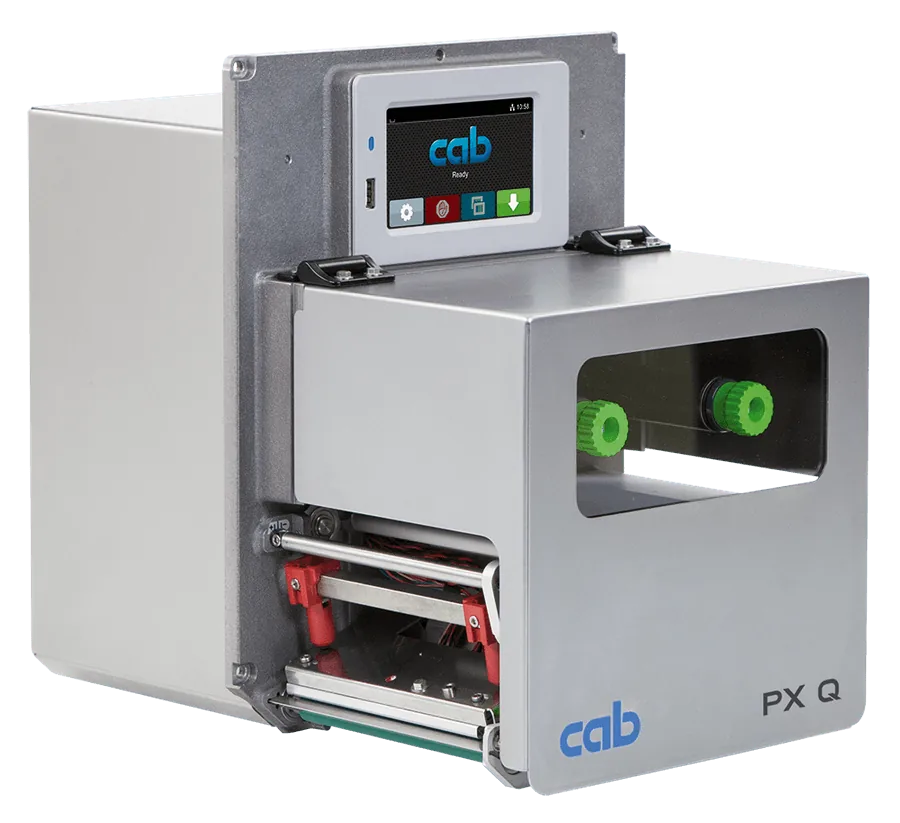
A print module built into the packaging machine, so the variable data goes onto the pack where the pack is made.
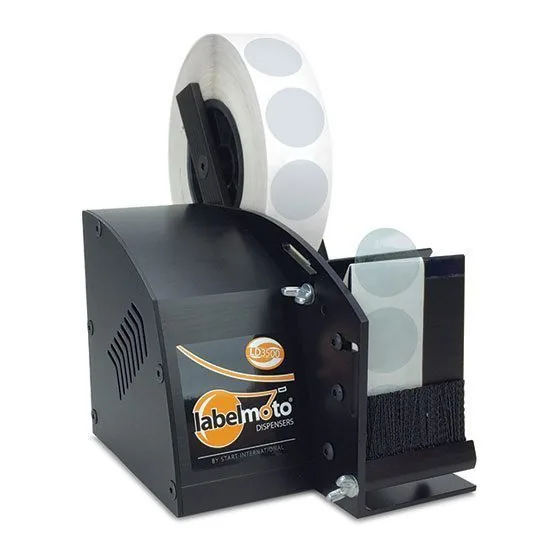
A dispenser for the manual packing station that peels even clear and carton-sealing labels reliably off the liner.
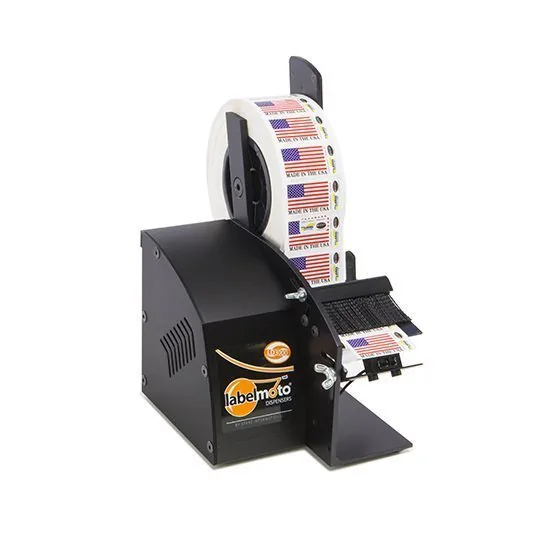
For smaller labels up to 2.2 in (57 mm) wide on the bench, in a cleanable anodized aluminum housing.
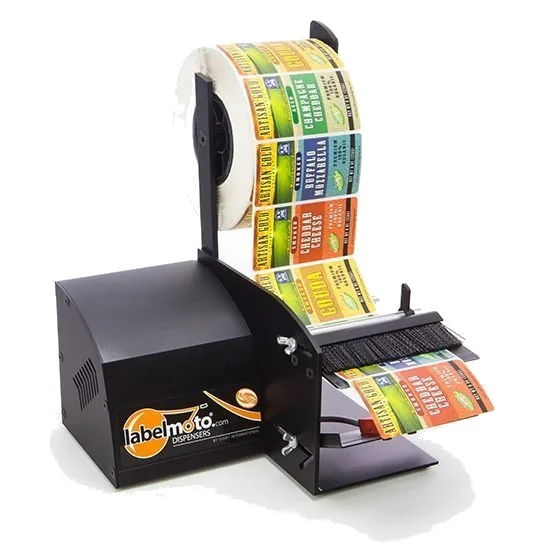
For wider labels up to 4.76 in (121 mm), where case labels are applied by hand too.
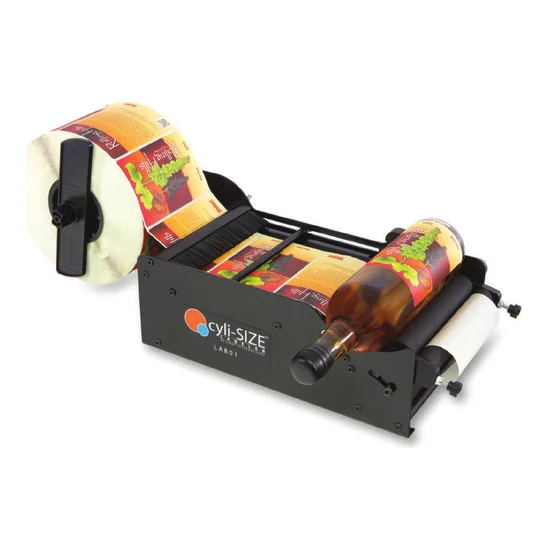
A manual bottle labeler for smaller batches: it puts the label in the same place on every bottle, can or jar, from 0.5 to 6.5 in (12.7 to 165 mm) in diameter.

Near-edge ribbons for high-speed printing, so that printing keeps up with the pace of the packaging line.
Related guides
Not finding your own task?
Tell us what needs marking, in what volume and under what conditions — and we will suggest a solution.
Contact us